Het echte probleem met interviewnotities
De meeste recruiters proberen tijdens een sollicitatiegesprek twee dingen tegelijk te doen. Ze leiden het gesprek en maken tegelijkertijd aantekeningen die later met de hiring manager worden gedeeld. In de praktijk leidt dit tot een compromis. Zodra je begint te typen, stop je met aandachtig luisteren. Wanneer je je weer op de kandidaat concentreert, lopen de notities achter.
In meerdere interviews wordt dit een serieus productiviteitsprobleem. Recruiters besteden na elk interview vaak 30 tot 45 minuten aan het omzetten van rommelige notities naar iets wat gestructureerd genoeg is voor het ATS of de hiring manager. Als je acht interviews in een week doet, kan dat gemakkelijk oplopen tot vier tot zes uur administratie.
Het probleem is niet alleen de tijd. De notities zelf zijn vaak onvolledig. Kleine details over motivatie, salarisverwachtingen of zorgen van de kandidaat worden gemakkelijk over het hoofd gezien. Wanneer hiring managers later de samenvatting doornemen, werken ze vaak met onvolledige informatie.
Interview transcriptiesoftware is ontwikkeld om dit specifieke knelpunt bij werving op te lossen.
Wat Interview Transcriptie Software Werkelijk Doet
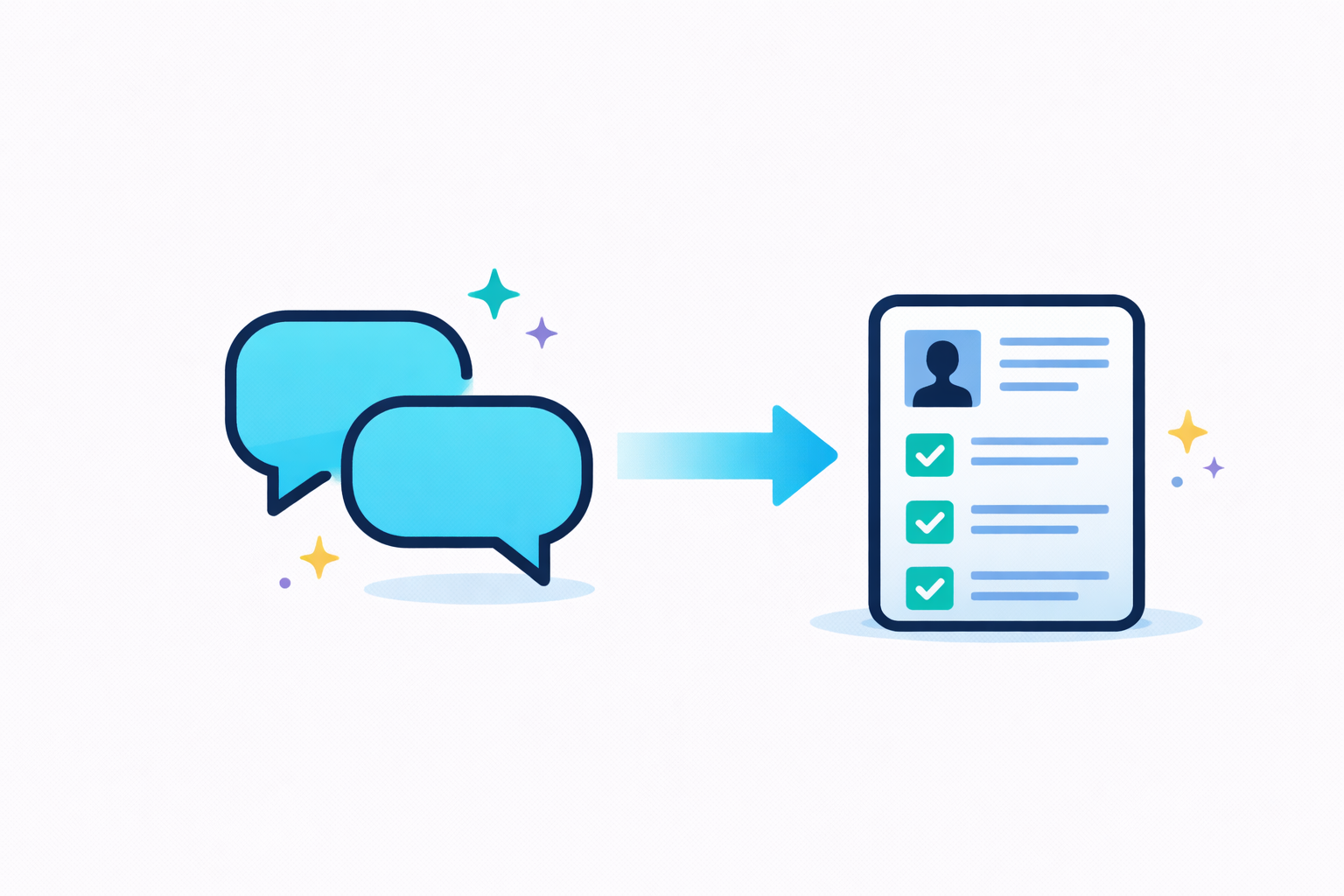
In plaats van te vertrouwen op handmatige notities, wordt het interview automatisch opgenomen en getranscribeerd. De recruiter kan zich volledig concentreren op het gesprek terwijl de software de discussie op de achtergrond vastlegt.
Na het interview hoeft de recruiter het gesprek niet meer uit het geheugen te reconstrueren. Het transcript stelt hen in staat om snel specifieke antwoorden te bekijken en de benodigde belangrijke informatie te extraheren voor rapportage of ATS-velden.
Dit verandert de workflow van de recruiter op verschillende manieren
- Interviews blijven gericht op de kandidaat in plaats van op het notuleren
- Post-interview administratieve tijd neemt significant af
- Belangrijke details kunnen in het transcript worden geverifieerd
- Rapporten voor aanwervende managers worden sneller geproduceerd
Voor recruiters die wekelijks veel interviews afnemen, kan deze wijziging alleen al uren aan repetitief werk wegnemen.
Van Interviewgesprekken tot Betrouwbare Wervingsdata
Het grootste voordeel van transcriptie op lange termijn is niet alleen gemak. Het is nauwkeurigheid. Wanneer beslissingen afhankelijk zijn van snelle notities, werken recruiters en aanwervende managers vaak vanuit geheugen of onvolledige samenvattingen.
Met een transcript dat beschikbaar is, kan het exacte gesprek altijd worden beoordeeld. Dit is vooral waardevol wanneer meerdere kandidaten worden vergeleken of wanneer aanwervende managers opheldering willen over een specifiek antwoord.
Betrouwbare interviewverslagen helpen teams
- Kandidaten eerlijker vergelijken
- Bied aanwervende managers duidelijkere inzichten
- Misverstanden over wat er is gezegd voorkomen
- Houd de documentatie binnen de ATS consistent
Na verloop van tijd leidt dit tot betere aanwervingsbeslissingen omdat de evaluatie gebaseerd is op echte interviewgegevens in plaats van op grove aantekeningen.
Rekruteringsafdelingen die interview transcriptiesoftware adopteren, merken vaak dat de interviews zelf sterkere gesprekken worden. Recruiters maken zich minder zorgen over het vastleggen van elke zin en richten zich in plaats daarvan op het begrijpen van de kandidaat. De documentatie gebeurt automatisch en het wervingsteam ontvangt duidelijkere en betrouwbaardere informatie.
Klaar om uren te besteden aan iets dat volledig geautomatiseerd kan worden?
Boek een gratis demo, en we zullen je erdoorheen loodsen met behulp van je eigen tools en ATS.
Contact voor meer informatie.